




Blog
Stay Informed With Expert Auto Tips & Insights
We’re dedicated to providing you with the latest automotive news, maintenance tips, and expert advice. Our blog is your go-to resource for everything from vehicle care to understanding common issues and how to prevent them.
Mastery.
Proficiency.
Creativity.
Revolution.
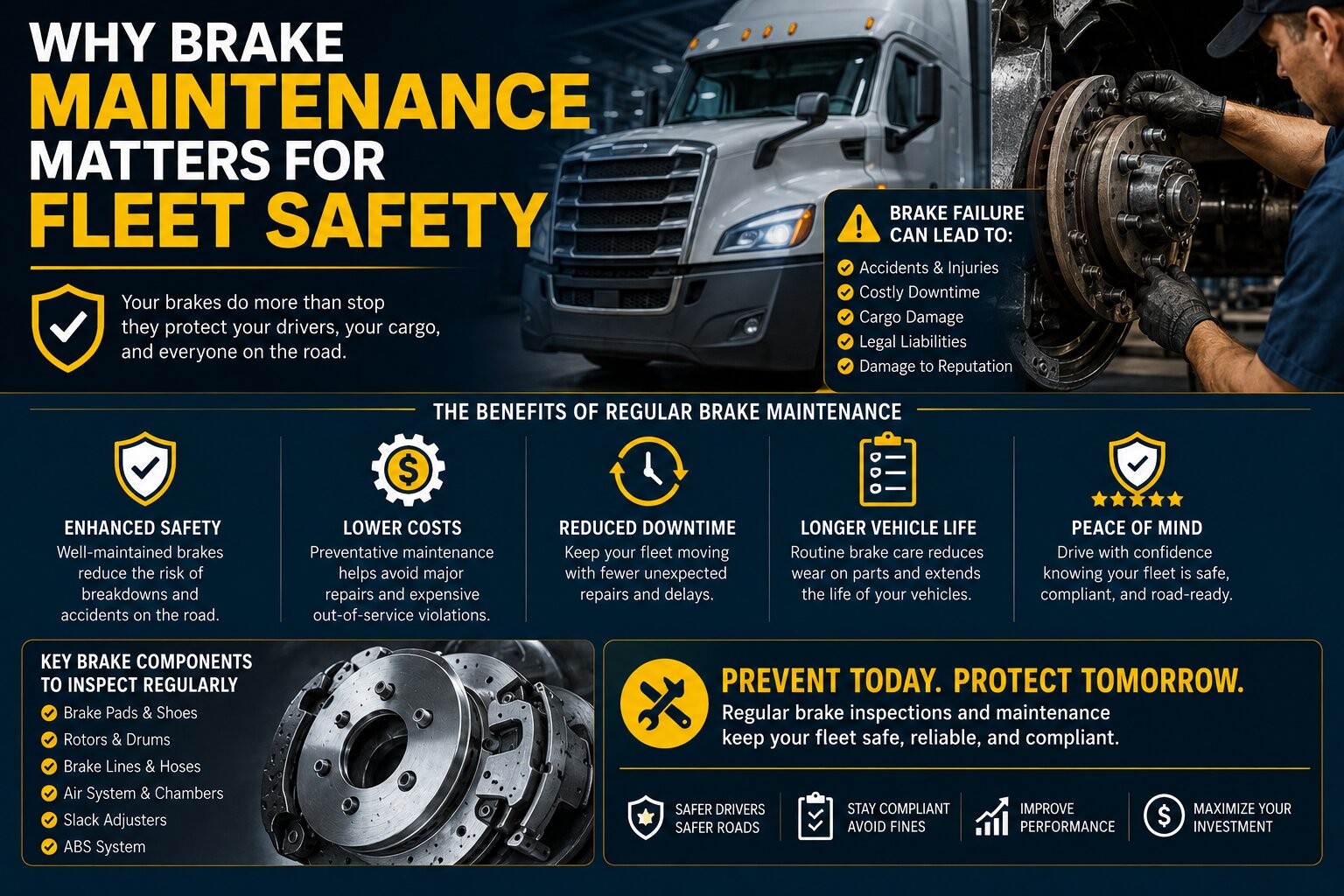
Why Brake Maintenance Matters for Fleet Safety
Fleet safety is one of the biggest priorities in the trucking industry. Whether you manage delivery trucks, semi trucks, construction vehicles, or commercial transport fleets in Canada, keeping your braking system in excellent condition is essential for protecting drivers, cargo, and other road users.
Brake systems experience constant pressure every day. Heavy loads, long highway routes, stop-and-go traffic, and harsh Canadian weather conditions all contribute to brake wear. Without regular brake maintenance, even small issues can quickly become dangerous and expensive problems.
For fleet managers and owner-operators, preventive brake maintenance is not just a repair strategy. It is a long-term investment in safety, reliability, fuel efficiency, and operational performance.
In this complete guide, you will learn why brake maintenance matters for fleet safety, common warning signs of brake problems, best maintenance practices, and how quality heavy duty truck parts help reduce downtime and improve fleet performance.
Table of Contents
Why Fleet Brake Maintenance Is Important
Understanding Heavy Duty Truck Brake Systems
Common Causes of Brake Wear
Signs Your Fleet Needs Brake Maintenance
How Brake Problems Affect Fleet Safety
Benefits of Preventive Brake Maintenance
Brake Maintenance Checklist for Fleets
OEM vs Aftermarket Brake Parts
How Canadian Weather Impacts Brake Systems
Best Practices for Fleet Brake Safety
Importance of Quality Truck Brake Parts
Fleet Maintenance Cost Savings
People Also Ask
Final Thoughts
Why Fleet Brake Maintenance Is Important
Brake systems are one of the most critical safety components in any commercial vehicle.
A properly functioning braking system helps:
Reduce stopping distance
Improve vehicle control
Prevent collisions
Protect drivers and cargo
Improve fleet reliability
For commercial fleets, brake failures can lead to:
Serious accidents
Vehicle downtime
Expensive repairs
Insurance claims
Regulatory penalties
Routine brake maintenance helps identify worn components before they become major safety hazards.
Understanding Heavy Duty Truck Brake Systems
Heavy duty truck brake systems are designed to handle enormous loads and demanding road conditions.
Most commercial trucks use:
Air brake systems
Brake drums
Disc brakes
Brake chambers
Brake pads and shoes
Slack adjusters
Each component plays an important role in safe braking performance.
When one part fails, it can affect the entire braking system.
Common Causes of Brake Wear
Commercial truck brakes operate under extreme conditions every day.
Several factors contribute to brake wear.
Heavy Cargo Loads
The heavier the load, the harder the brakes must work to stop the vehicle.
This creates:
More heat
Increased friction
Faster component wear
Frequent Stop-and-Go Driving
Urban delivery fleets experience constant braking in traffic.
This increases wear on:
Brake pads
Drums
Rotors
Air brake components
Poor Driving Habits
Aggressive braking can shorten brake lifespan significantly.
Sudden stops create excessive heat and stress on braking components.
Harsh Canadian Weather
Snow, road salt, rain, and ice accelerate corrosion and brake damage.
Cold temperatures can also affect air brake system performance.
Signs Your Fleet Needs Brake Maintenance
Recognizing warning signs early helps prevent serious problems.
1. Grinding or Squealing Noises
Brake noise often indicates worn brake pads or damaged drums.
Ignoring these sounds can cause further damage to the braking system.
2. Reduced Braking Power
If trucks take longer to stop, brake components may be worn or overheating.
This creates major safety risks, especially on highways.
3. Brake Vibrations
Steering wheel or pedal vibrations may indicate:
Warped brake drums
Uneven rotor wear
Brake imbalance
4. Air Brake Pressure Problems
Low air pressure warnings should never be ignored.
Air brake failures can severely reduce stopping ability.
5. Pulling to One Side
Uneven braking can cause trucks to pull left or right during stops.
This affects vehicle control and increases accident risk.
How Brake Problems Affect Fleet Safety
Poor brake maintenance affects more than just vehicle performance.
It directly impacts:
Driver safety
Public safety
Fleet efficiency
Company reputation
Increased Accident Risk
Brake failures are one of the leading causes of commercial vehicle accidents.
Longer stopping distances reduce reaction time during emergencies.
Cargo Damage
Hard braking and poor control can damage transported goods.
This leads to:
Customer complaints
Financial losses
Delivery delays
Higher Downtime
Unexpected brake failures often cause roadside breakdowns.
This affects:
Delivery schedules
Fleet productivity
Operational costs
Benefits of Preventive Brake Maintenance
Preventive maintenance helps fleets avoid expensive repairs and safety issues.
Improved Fleet Safety
Regular inspections ensure braking systems operate correctly.
This protects:
Drivers
Cargo
Other vehicles
Lower Repair Costs
Small brake issues are much cheaper to fix than complete system failures.
Preventive maintenance reduces emergency repair expenses.
Better Fuel Efficiency
Dragging brakes create rolling resistance that increases fuel consumption.
Well-maintained brakes improve overall efficiency.
Reduced Vehicle Downtime
Scheduled maintenance helps prevent unexpected breakdowns.
This keeps trucks on the road longer.
Brake Maintenance Checklist for Fleets
A proper maintenance program should include regular brake inspections.
Fleet Brake Inspection Checklist
Check Brake Pads and Shoes
Inspect for wear and damage.
Inspect Brake Drums and Rotors
Look for:
Cracks
Heat spots
Uneven wear
Test Air Brake Systems
Check:
Air pressure
Leaks
Compressor performance
Inspect Brake Lines and Hoses
Look for corrosion, leaks, or damage.
Monitor Brake Fluid and Components
Ensure proper system operation.
OEM vs Aftermarket Brake Parts
Fleet managers often choose between OEM and aftermarket truck brake parts.
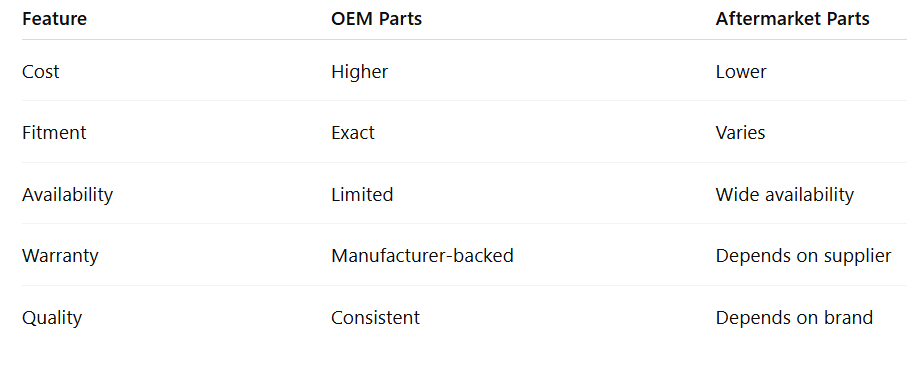
High-quality aftermarket brake components can provide excellent durability when sourced from trusted suppliers.
How Canadian Weather Impacts Brake Systems
Canadian weather creates additional stress on braking systems.
Winter Challenges
Cold temperatures can:
Reduce traction
Increase stopping distance
Cause corrosion
Road salt also accelerates brake component wear.
Mountain Driving
Fleet vehicles operating in mountainous regions experience:
Brake overheating
Increased brake pressure
Faster brake wear
Regular inspections are essential in these conditions.
Best Practices for Fleet Brake Safety
Fleet managers can improve safety by implementing strong maintenance programs.
Schedule Routine Inspections
Brake systems should be inspected regularly based on:
Mileage
Load conditions
Driving routes
Train Drivers Properly
Driver education improves braking habits and reduces wear.
Teach drivers to:
Avoid aggressive braking
Maintain safe distances
Report brake issues immediately
Use Quality Replacement Parts
Cheap brake components often wear faster and reduce reliability.
Durable heavy duty brake parts improve long-term performance.
Keep Maintenance Records
Tracking inspections and repairs helps identify recurring problems.
Digital fleet maintenance systems simplify this process.
Importance of Quality Truck Brake Parts
Reliable brake parts are essential for fleet safety and performance.
High-quality brake components help:
Improve stopping power
Reduce wear
Increase durability
Lower maintenance costs
Trusted suppliers provide brake parts designed for Canadian trucking conditions.
Fleet Maintenance Cost Savings
Preventive brake maintenance helps fleets save money over time.
Maintenance Benefits Include:
Lower repair costs
Fewer breakdowns
Improved fuel efficiency
Longer vehicle lifespan
Reduced accident risk
Fleet managers who prioritize maintenance often experience better operational efficiency.
Expert Insights for Fleet Owners
Industry experts recommend:
Monthly brake inspections
Driver safety training
Preventive maintenance scheduling
Using premium truck brake components
Small maintenance investments today can prevent major expenses later.
People Also Ask
Why is brake maintenance important for trucks?
Brake maintenance improves safety, reduces repair costs, and prevents accidents.
How often should fleet brakes be inspected?
Heavy duty truck brakes should generally be inspected every 20,000–30,000 kilometers or sooner for high-use fleets.
What are common signs of brake problems?
Grinding noises, vibrations, pulling during braking, and reduced stopping power are common warning signs.
Can poor brakes affect fuel efficiency?
Yes. Dragging brakes create resistance and increase fuel consumption.
Building a Safer Fleet Through Maintenance
Successful fleet operations depend on reliability and safety.
Brake maintenance is one of the most effective ways to:
Protect drivers
Reduce downtime
Improve efficiency
Build customer trust
Investing in regular inspections and quality truck parts helps fleets operate more safely and efficiently across Canada.
Final Thoughts
Brake maintenance plays a critical role in fleet safety, performance, and operational efficiency.
Ignoring brake problems can lead to accidents, downtime, expensive repairs, and major safety risks. By implementing preventive maintenance programs, training drivers, and using reliable heavy duty truck brake parts, fleet owners can reduce costs while improving safety and reliability.
Whether you manage local delivery trucks or long-haul commercial fleets, maintaining your braking system should always remain a top priority.
For dependable heavy duty truck brake parts and expert support in Canada, visit Gill Truck Parts today.
FAQ Section
How often should truck brakes be inspected?
Commercial truck brakes should typically be inspected every 20,000–30,000 kilometers.
What causes heavy duty brake wear?
Heavy loads, aggressive braking, weather conditions, and poor maintenance are common causes.
Can brake maintenance reduce downtime?
Yes. Preventive maintenance helps detect issues early and prevents unexpected failures.
Are aftermarket truck brake parts reliable?
High-quality aftermarket parts from trusted suppliers can provide excellent durability and performance.
Why are air brakes important for fleets?
Air brakes provide strong stopping power for heavy commercial vehicles and improve braking reliability.
Need Reliable Truck Parts? Get Expert Help Fast
Need dependable heavy duty truck parts in Mississauga or the GTA? Our experts help you quickly find the right components for your truck, reducing downtime and keeping your fleet running safely and efficiently.
Reliable distributor of heavy-duty truck parts in Mississauga, proudly serving the 401 Dixie corridor and the Greater Toronto Area.
Our Partner
Service Area
Contact us
1295 Shawson Dr, Mississauga, ON L4W 1C4

© 2026 Gill Truck Parts. All rights reserved. Powered by Xalovo AI