




Blog
Stay Informed With Expert Auto Tips & Insights
We’re dedicated to providing you with the latest automotive news, maintenance tips, and expert advice. Our blog is your go-to resource for everything from vehicle care to understanding common issues and how to prevent them.
Mastery.
Proficiency.
Creativity.
Revolution.
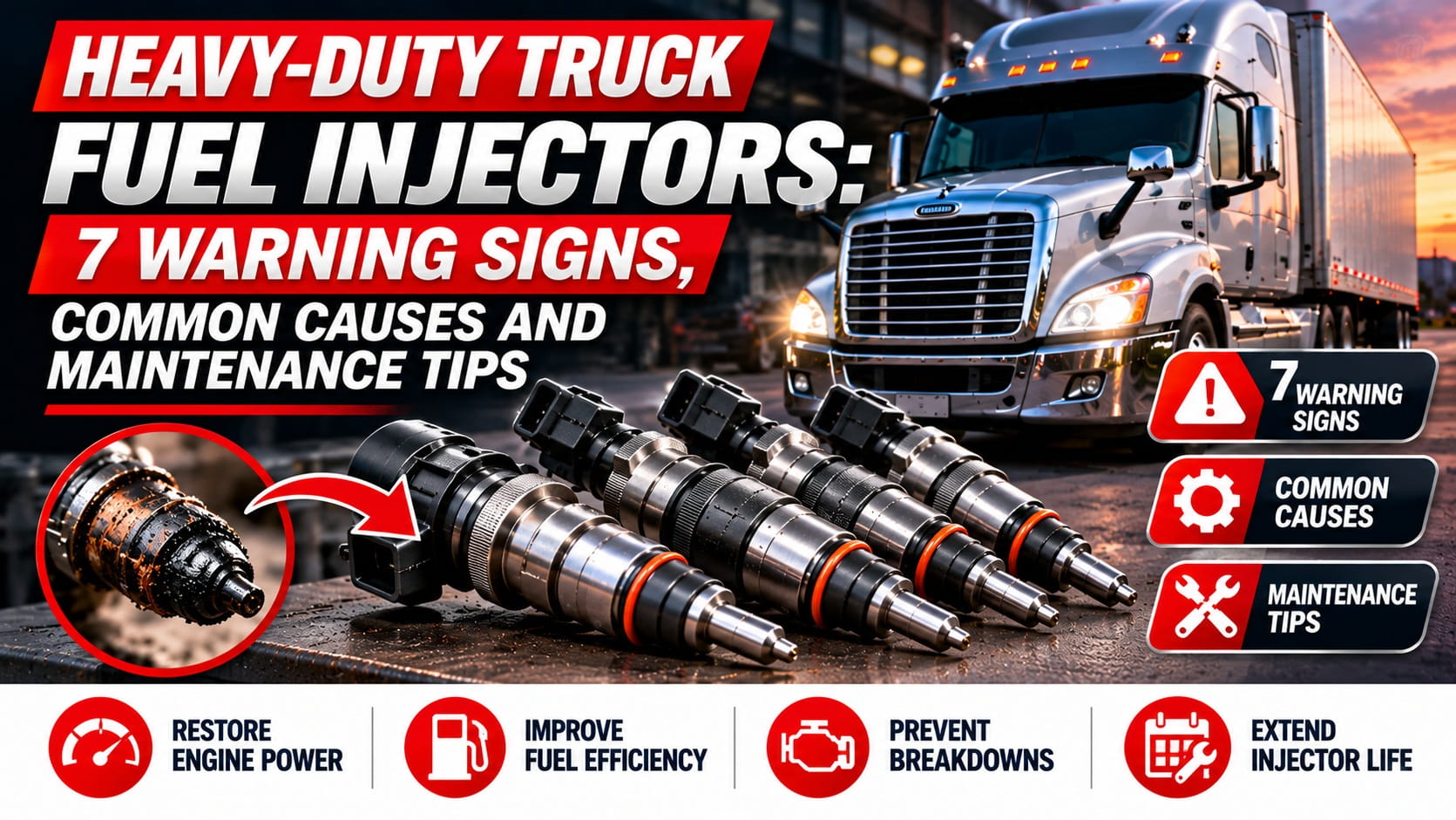
Heavy-Duty Truck Fuel Injectors: 7 Warning Signs, Common Causes and Maintenance Tips
Introduction
Heavy-duty truck fuel injectors play an essential role in diesel engine performance, fuel efficiency, and reliable operation. They deliver precisely controlled amounts of fuel into the engine cylinders, helping maintain proper combustion under different driving and load conditions.
When fuel injectors become clogged, worn, or damaged, trucks may experience rough idling, reduced engine power, excessive smoke, and increased fuel consumption. Identifying these symptoms early can help truck owners and fleet managers address fuel system problems before they contribute to more serious engine issues.
For operators looking for heavy duty truck parts in Mississauga, understanding fuel injector problems can also help when discussing replacement components with a qualified parts supplier.
What Do Heavy-Duty Truck Fuel Injectors Do?
Fuel injectors deliver diesel fuel into the engine's combustion chambers or intake system, depending on the engine design. Modern diesel injection systems operate under high pressure and require precise timing and fuel delivery.
Their main functions include:
Delivering the correct quantity of diesel fuel.
Supporting efficient fuel combustion.
Helping maintain engine power and performance.
Supporting smooth engine operation.
Reducing incomplete combustion when operating correctly.
Fuel injector design and specifications vary by engine manufacturer, model, and fuel injection system.
7 Warning Signs of Bad Diesel Fuel Injectors
1. Rough Engine Idling
A diesel engine should generally maintain stable operation when idling. If one or more injectors deliver inconsistent fuel quantities, the engine may run unevenly.
Possible symptoms include:
Noticeable engine vibration.
Irregular engine speed.
Unusual knocking or combustion noise.
Rough operation while stopped.
Other fuel system or engine problems can cause similar symptoms, so proper diagnosis is important.
2. Reduced Engine Power
Fuel injectors that are clogged, leaking, or not operating correctly can affect combustion and engine performance.
Truck operators may notice:
Slower acceleration.
Reduced pulling power.
Difficulty maintaining speed under load.
Poor performance when climbing hills.
A technician may need to inspect injector operation, fuel pressure, filters, and related engine systems.
3. Increased Fuel Consumption
Damaged or poorly functioning injectors can contribute to inefficient combustion and increased fuel usage.
If a truck starts consuming more diesel than usual, consider checking:
Fuel injector condition.
Fuel filter condition.
Fuel pressure.
Engine operating temperature.
Air intake and turbocharger performance.
Fuel consumption can also change because of driving conditions, vehicle load, and maintenance issues.
4. Excessive Exhaust Smoke
Changes in exhaust smoke can indicate fuel delivery or combustion problems.
Depending on the underlying issue, operators may notice:
Black smoke: May indicate incomplete combustion or excessive fuel relative to available air.
White smoke: Can have several causes, including unburned fuel or coolant-related problems.
Blue smoke: Often indicates engine oil entering the combustion process.
Smoke colour alone cannot confirm injector failure. A qualified technician should investigate the cause.
5. Engine Misfires or Uneven Performance
A faulty injector may prevent a cylinder from receiving the correct fuel quantity or spray pattern.
Possible symptoms include:
Uneven engine operation.
Loss of power.
Engine vibration.
Irregular combustion.
Diagnostic testing can help determine whether the injector, wiring, fuel supply, or another engine component is responsible.
6. Difficulty Starting the Truck
Fuel injectors that leak or fail to deliver fuel correctly may contribute to starting problems.
However, hard starting can also result from:
Weak batteries.
Starter motor problems.
Low fuel pressure.
Air entering the fuel system.
Faulty sensors.
Cold-weather conditions.
A complete starting-system and fuel-system inspection is recommended before replacing components.
7. Unusual Engine Noise
Incorrect fuel delivery can affect combustion timing and engine operation. In some cases, operators may hear unusual knocking or tapping sounds.
Do not assume that every engine noise indicates injector damage. Internal engine wear, fuel quality, and other mechanical issues may produce similar sounds.
If unusual knocking develops suddenly or is accompanied by power loss or warning lights, arrange a professional inspection promptly.
Common Causes of Heavy-Duty Truck Fuel Injector Problems
Fuel injectors operate in demanding conditions. Several factors can contribute to injector wear or failure.
Contaminated Diesel Fuel
Dirt, water, and other contaminants can damage precision injector components. Using clean fuel from reputable sources and maintaining filtration systems helps reduce contamination risks.
Clogged Fuel Filters
Fuel filters help prevent contaminants from reaching sensitive fuel system components. Filters that are overdue for replacement may restrict fuel flow or provide inadequate filtration.
Normal Wear and Tear
High mileage and prolonged operation can gradually affect injector performance. Regular inspections help identify developing problems.
Incorrect Fuel System Maintenance
Ignoring recommended maintenance intervals or using unsuitable replacement components can affect fuel system reliability.
Fuel System Contamination
Metal particles or other debris circulating through the fuel system can damage injectors and related components. In some cases, contamination may require a broader system inspection rather than replacing one injector alone.
How to Maintain Heavy-Duty Diesel Fuel Injectors
Preventive maintenance can help protect fuel system components and support reliable engine performance.
Follow the engine manufacturer's recommended fuel filter replacement schedule.
Use diesel fuel that meets the engine manufacturer's specifications.
Address water or contamination warnings promptly.
Monitor changes in fuel consumption and engine performance.
Investigate unusual smoke, rough idling, or starting difficulties.
Use qualified technicians for injector testing and calibration.
Confirm replacement injector compatibility before ordering.
Avoid using unapproved fuel additives or cleaning methods that may not be suitable for the engine.
When Should You Replace Heavy-Duty Truck Fuel Injectors?
Fuel injectors should be replaced when testing confirms that they are damaged, worn beyond specification, or unable to operate correctly.
Replacement may be considered when:
Injector testing identifies a faulty unit.
An injector has an internal leak.
Spray performance is outside manufacturer specifications.
Electrical faults are confirmed within the injector assembly.
Cleaning or approved servicing cannot restore proper operation.
Always check the manufacturer's recommendations. Some engines require injector coding, calibration, or specific installation procedures after replacement.
Choosing the Right Fuel Injectors for Your Truck
Selecting the correct fuel injector is essential for proper engine operation.
Before purchasing replacement parts, confirm:
Truck make and model.
Engine manufacturer and engine model.
Engine serial number.
Original injector part number.
Fuel injection system type.
OEM replacement requirements.
Using the wrong injector can lead to poor performance, compatibility problems, or further engine damage.
Finding Heavy-Duty Truck Fuel System Parts in Mississauga
Truck owners, fleet managers, and repair professionals in Mississauga and the Greater Toronto Area need access to suitable heavy-duty replacement components for ongoing maintenance.
Gill Truck Parts serves the commercial trucking parts market in Mississauga. If you need fuel system components or other heavy-duty truck parts, contact the team to discuss your requirements and confirm part availability and compatibility.
Explore Gill Truck Parts for heavy-duty truck parts and component information.
Frequently Asked Questions
What are the most common symptoms of bad diesel fuel injectors?
Common symptoms include rough idling, reduced engine power, increased fuel consumption, excessive exhaust smoke, difficult starting, and uneven engine operation.
Can bad fuel injectors cause a truck to lose power?
Yes. Injectors that do not deliver the correct fuel quantity or spray pattern can affect combustion and reduce engine performance. Other engine and fuel system problems can cause similar symptoms.
How long do heavy-duty diesel fuel injectors last?
Injector lifespan depends on engine design, fuel quality, operating conditions, maintenance, and manufacturer specifications. Follow the engine manufacturer's service recommendations rather than relying on a universal mileage interval.
Can clogged diesel fuel injectors be cleaned?
Some injector problems may be addressed through approved professional cleaning or servicing. However, damaged or excessively worn injectors may require replacement.
Should all fuel injectors be replaced together?
Not necessarily. The decision depends on diagnostic results, injector condition, engine manufacturer recommendations, and the overall condition of the fuel system.
How do I find the correct replacement fuel injector?
Use the truck's VIN, engine serial number, and existing injector part number to verify compatibility. Confirm the final selection with a qualified parts specialist.
Conclusion
Heavy-duty truck fuel injectors are essential for consistent diesel engine performance. Recognizing warning signs such as rough idling, excessive smoke, reduced power, and increased fuel consumption can help operators identify potential fuel system problems early.
Regular maintenance, clean fuel, proper filtration, and accurate part selection all contribute to dependable truck operation.
For heavy-duty truck parts in Mississauga, contact Gill Truck Parts to discuss your replacement component requirements.
Need Reliable Truck Parts? Get Expert Help Fast
Need dependable heavy duty truck parts in Mississauga or the GTA? Our experts help you quickly find the right components for your truck, reducing downtime and keeping your fleet running safely and efficiently.
Reliable distributor of heavy-duty truck parts in Mississauga, proudly serving the 401 Dixie corridor and the Greater Toronto Area.
Our Partner
Service Area
Contact us
1295 Shawson Dr, Mississauga, ON L4W 1C4

© 2026 Gill Truck Parts. All rights reserved. Powered by Xalovo AI