




Blog
Stay Informed With Expert Auto Tips & Insights
We’re dedicated to providing you with the latest automotive news, maintenance tips, and expert advice. Our blog is your go-to resource for everything from vehicle care to understanding common issues and how to prevent them.
Mastery.
Proficiency.
Creativity.
Revolution.
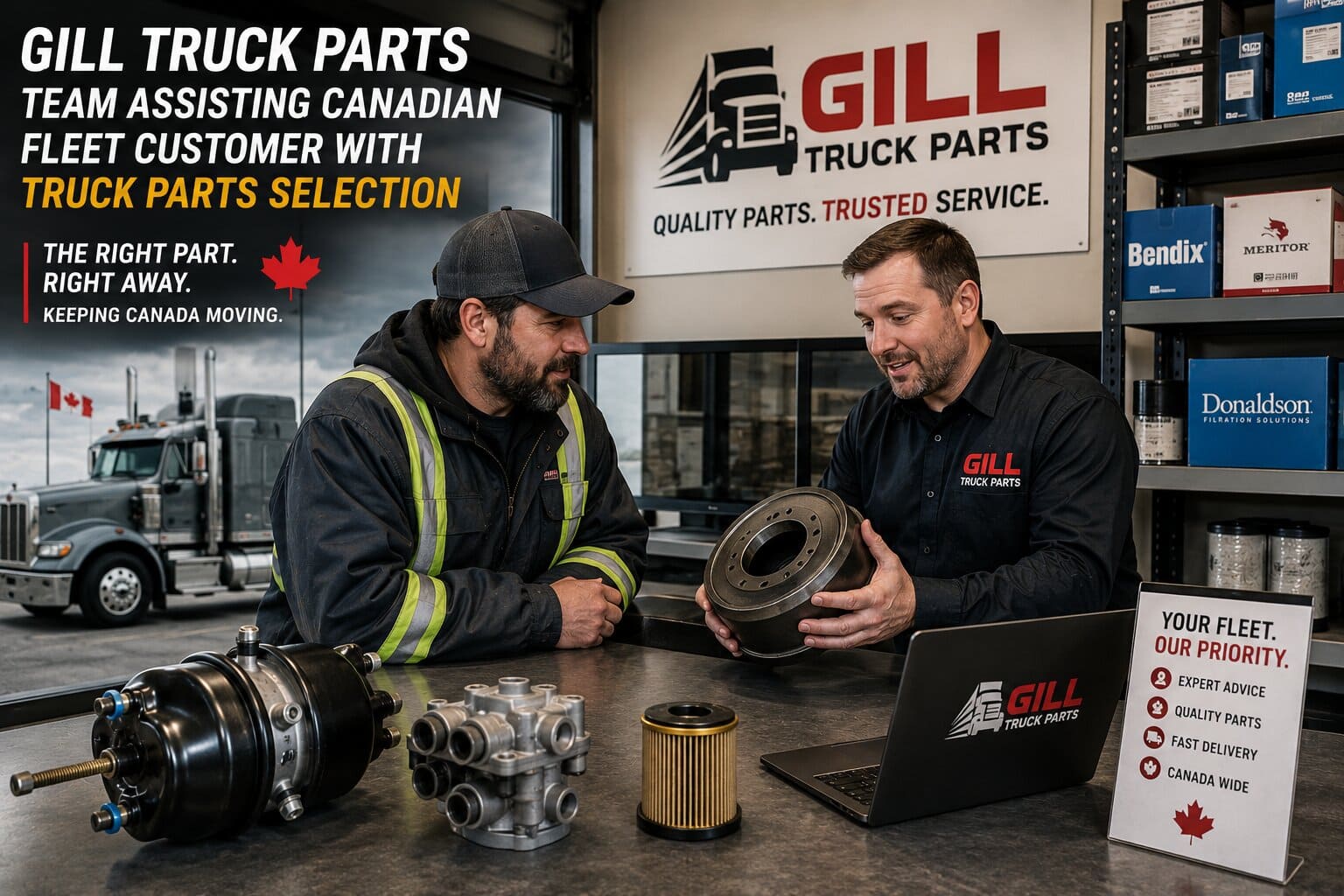
OEM vs Aftermarket Heavy Duty Truck Parts: Which Is Better for Your Fleet?
It’s 2:07am on Highway 401 outside Kingston, Ontario.
A fleet manager gets the call every operation dreads: one of the company’s Freightliner Cascadia's is sitting on the shoulder with a failed air brake component. The tow bill alone will hit nearly $4,000 by sunrise. The delivery misses its slot. The driver loses hours. The truck sits for three days waiting on replacement parts.
And the worst part?
The breakdown probably could have been avoided.
A cheap replacement component had been installed during the last service to save less than $80.
Choosing the right heavy duty truck parts isn’t just about price. It’s about uptime, safety, and the real cost of a decision made in a hurry.
Across Canada, fleets are dealing with rising parts prices, supply chain delays, winter corrosion, and tighter maintenance budgets. According to the Canadian Trucking Alliance, trucking moves more than 70% of Canada’s domestic freight by value. When trucks stop moving, money disappears fast.
That’s why the OEM vs aftermarket debate matters more than ever.
Whether you run five trucks across Ontario or manage a larger fleet hauling through Alberta and BC, understanding where OEM parts make sense and where premium aftermarket parts can save serious money - can protect your operation from unnecessary downtime.
Not sure where to start? Browse our full catalog of heavy duty truck parts - OEM and aftermarket, for all major brands.
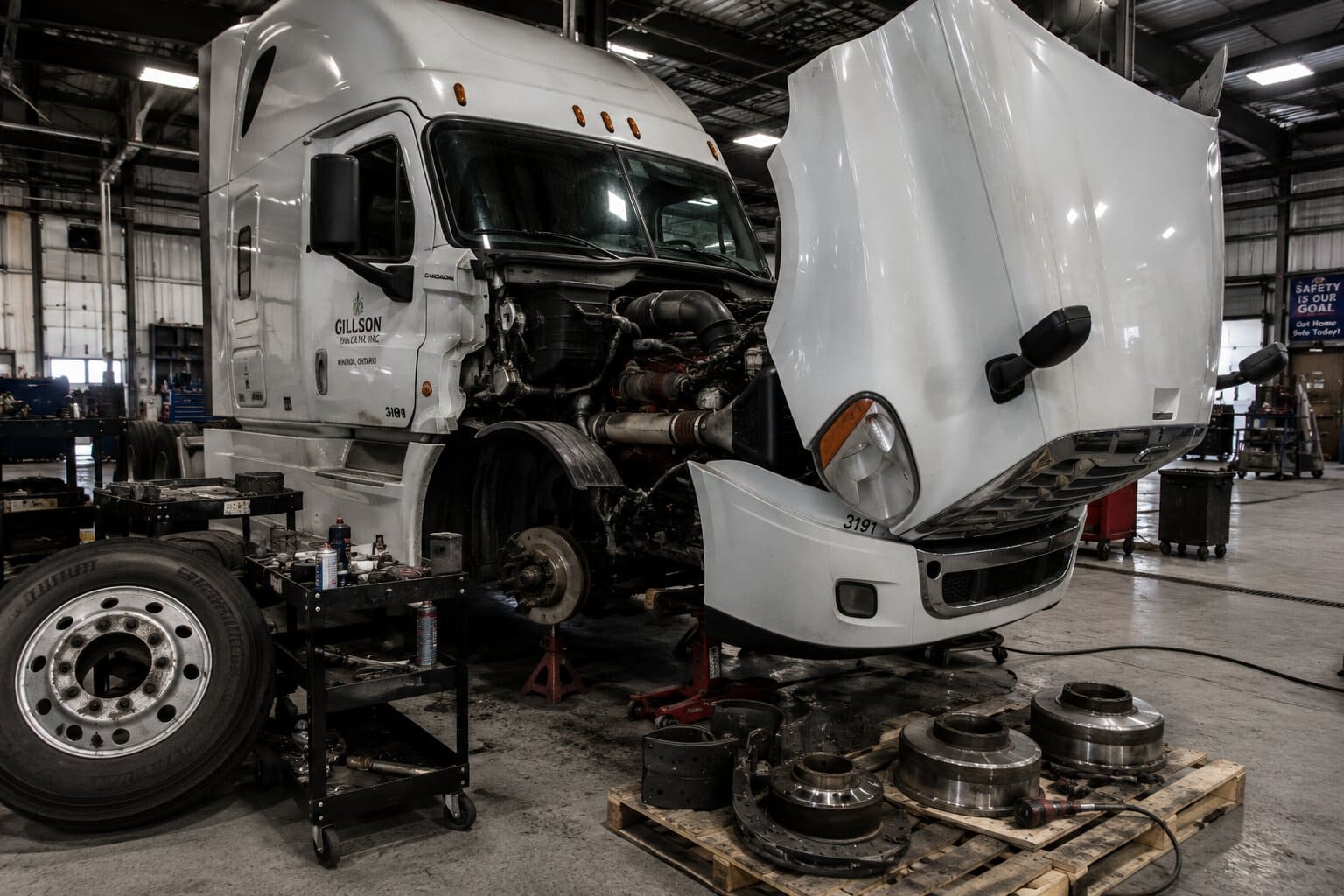
What Are OEM Heavy Duty Truck Parts?
OEM heavy duty truck parts are components made by, or specifically for, the original truck manufacturer. These parts are designed to match factory specifications exactly for trucks like Freightliner, Kenworth, Peterbilt, Volvo, and International models.
If you’ve ever pulled apart a newer Freightliner Cascadia after a failed repair, you already know how picky modern trucks can be.
Today’s diesel systems are tightly calibrated. Air brake systems, DEF sensors, turbo actuators, wheel speed sensors, and ECM-controlled components all rely on exact tolerances. One incorrect part can trigger fault codes for weeks.
OEM truck parts are built to match the truck exactly as it left the factory.
That means:
Exact fitment
Manufacturer-backed testing
Consistent quality control
Better compatibility with onboard electronics
OEM warranty protection
Take a Freightliner Cascadia air brake valve as an example. Installing the OEM-spec valve means the pressure settings, sensor calibration, and mounting tolerances line up exactly with factory expectations.
Install a low-grade generic replacement instead, and you can end up chasing air pressure inconsistencies, ABS warnings, or failed CVIP inspections.
That’s expensive downtime.
In Canada, especially during winter operations in Ontario and Alberta, brake and air system reliability becomes even more critical. Freeze-thaw cycles and road salt already punish undercarriage systems hard enough.
For safety-critical systems, OEM parts often reduce long-term operating costs even if the upfront purchase price is higher.
A Volvo VNL injector harness might cost 25–40% more as an OEM component, but if it prevents repeated diagnostic labor and roadside failures, the total cost of ownership usually works in your favor.
This is especially true for:
Emissions systems
Fuel injectors
Turbo components
Electronic sensors
Engine management systems
DEF assemblies
If your truck is still under manufacturer warranty, OEM parts also help avoid warranty disputes.
And no fleet manager wants that fight.
What Are Aftermarket Truck Parts?
Aftermarket truck parts are replacement components manufactured by companies other than the original truck manufacturer. They’re designed to fit and function like OEM parts, often at a lower price, and are widely used across commercial fleet maintenance operations in Canada.
A lot of owner-operators hear “aftermarket” and immediately think “cheap.”
That’s not accurate.
There’s a massive difference between premium aftermarket parts and bottom-tier no-name imports.
Good aftermarket manufacturers produce high-quality commercial truck parts that meet or exceed OEM performance standards. In many cases, they improve weak factory designs.
That’s why experienced diesel mechanics often use premium aftermarket components for wear items.
For example, replacing brake drums and air filters on a Kenworth T680 with premium aftermarket alternatives can reduce maintenance costs significantly without sacrificing reliability.
Common advantages of aftermarket truck parts include:
20–60% lower pricing
Faster availability during shortages
More supplier options
Improved performance in some applications
Wider inventory coverage for older trucks
During the supply chain disruptions that hit Canada over the last few years, many fleets simply couldn’t wait weeks for OEM truck repair parts.
Premium aftermarket suppliers filled that gap.
But here’s the critical distinction.
Not all aftermarket parts are created equal and that’s the mistake most fleet managers make.
There are three very different quality levels:
Premium aftermarket brands
Mid-grade economy replacements
Ultra-cheap no-name imports
That third category causes most of the horror stories.
A cheap wheel seal that fails during winter hauling through Northern Ontario can contaminate brake assemblies, destroy bearings, and sideline a truck for days.
Saving $40 on the part suddenly costs $3,500 in repairs.
Premium aftermarket components, though, are a different story.
Many fleets successfully use aftermarket:
Brake drums
Filters
Suspension bushings
U-bolts
Hub caps
Lighting assemblies
Mirrors
Wheel seals
Every day.
The key is buying from a knowledgeable truck parts supplier that understands your specific application.
OEM vs Aftermarket Truck Parts — Key Differences
A comparison table like this should guide purchasing decisions based on application, not emotion.
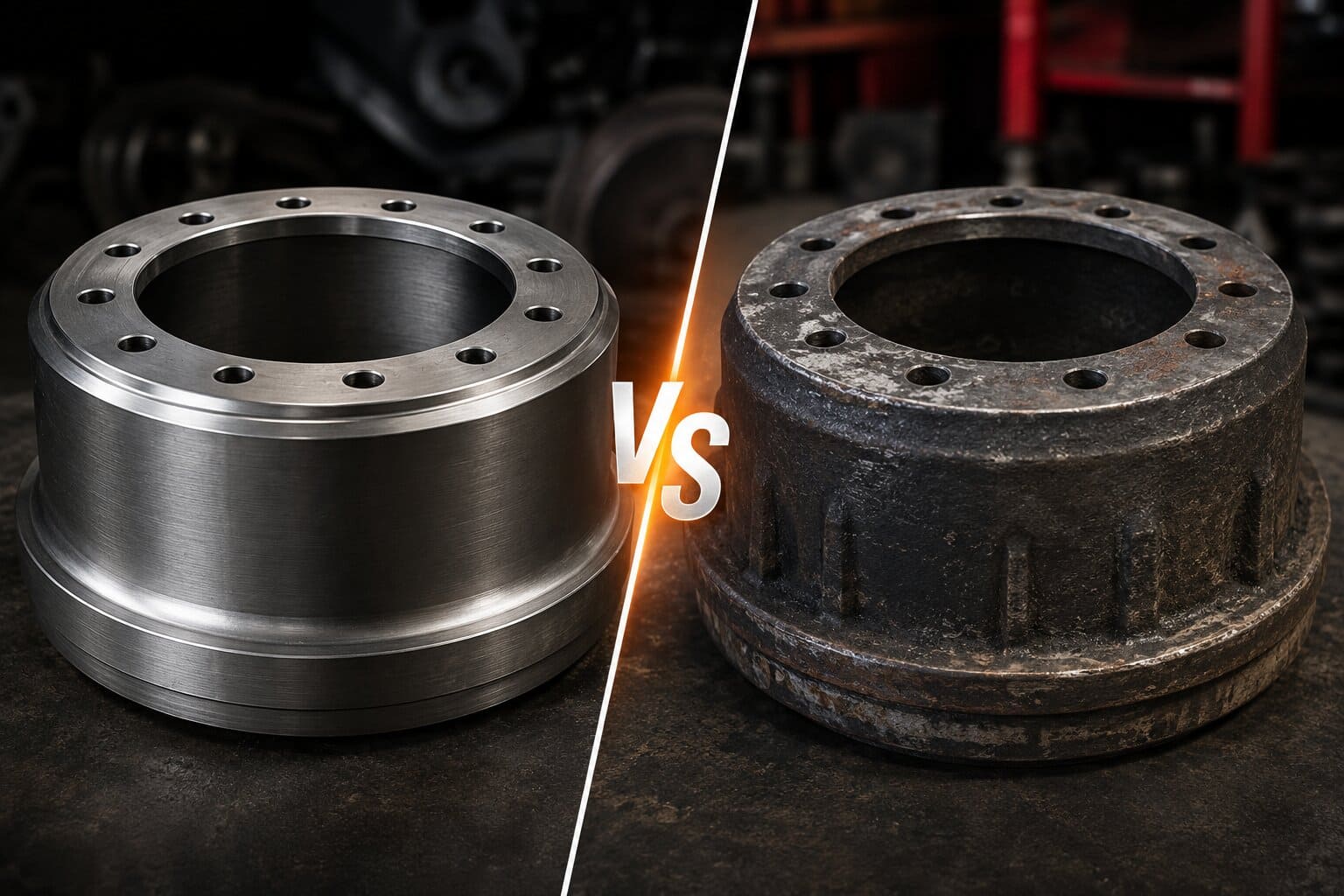
If you’re replacing an ABS module on a Volvo VNL or dealing with emissions diagnostics on a newer International LT, OEM usually makes sense because downtime costs outweigh the savings.
But for high-turnover fleet maintenance parts like brake shoes, filters, mirrors, and suspension components, premium aftermarket products can dramatically reduce operating expenses without creating reliability problems.
That balance matters.
Need help deciding what’s right for your application? Talk to a Gill Truck Parts specialist , we’ll match the right part to your truck and budget.
When OEM Truck Parts Are Worth Every Dollar
A mechanic in Mississauga once spent nearly 11 hours diagnosing a recurring ABS fault on a Volvo VNL.
The issue wasn’t the wiring.
It wasn’t the module.
It wasn’t even the wheel hub.
It was a low-grade aftermarket wheel speed sensor that produced inconsistent readings in wet winter conditions.
The “cheaper” part ended up costing the fleet more than $1,400 in labor.
There are situations where OEM truck parts simply make more sense.
1. Engine and Fuel System Components
Injectors, turbo seals, EGR assemblies, and fuel pressure sensors require exact tolerances.
A mismatched injector on a Detroit Diesel engine inside a Freightliner Cascadia can affect fuel delivery, emissions performance, and fuel economy immediately.
OEM fuel system components reduce risk.
2. Electronic Control Modules and Sensors
Modern trucks rely heavily on ECM communication.
ABS sensors, NOx sensors, and transmission modules all need accurate calibration.
A poorly manufactured aftermarket sensor can trigger constant derates or false fault codes.
That becomes a diagnostic nightmare fast.
3. Emissions Components
DEF systems and DPF filters already create enough headaches in Canadian winter operations.
Using low-quality emissions components often leads to repeated failures.
That matters because failed emissions systems can trigger roadside violations and failed CVIP inspections.
4. Warranty-Active Vehicles
If your truck is still under OEM warranty coverage, using non-approved parts can complicate claims.
Especially for engine and emissions repairs.
5. Safety-Critical Systems Under Regulatory Scrutiny
Brake control systems, steering assemblies, and air system electronics should never become gambling chips.
Transport Canada regulations and CVIP requirements exist for a reason.
If a failed part could shut your truck down roadside or create a safety risk, OEM is usually the safer investment.
This is especially true for:
Steering sensors
Brake electronics
DEF dosing systems
Engine management components
Safety modules
If you’re running newer Peterbilt 389 or Volvo VNL equipment across BC mountain routes during winter, reliability matters more than saving a few dollars upfront.
When Aftermarket Truck Parts Are the Smarter Choice
Not every part on a truck needs to come in an OEM box.
Experienced fleet operators know that.
In fact, some of the best-run fleets in Ontario and Alberta use premium aftermarket parts strategically to control operating costs without hurting reliability.
Here’s where aftermarket heavy truck parts often make the most financial sense.
Brake Drums and Brake Shoes
Premium aftermarket brake drums and shoes often perform nearly identical to OEM components.
For fleets replacing these parts regularly, the savings add up quickly.
A 25-truck fleet can save thousands annually using quality aftermarket brake components while still maintaining FMCSA-compliant stopping performance.
Air brake system maintenance is one of the most overlooked aspects of fleet uptime — a topic we cover in detail in our guide to commercial truck brake system maintenance.
Air and Oil Filters
Filters are standardized in many applications.
As long as the aftermarket filter meets OEM specifications and NSF-quality standards, performance differences are usually minimal.
Dirty filters reduce fuel economy and increase engine wear anyway, so consistent replacement matters more than branding.
Suspension Bushings and U-Bolts
Canadian roads destroy suspension systems.
Especially after winter.
Freeze-thaw damage across Ontario highways pounds suspension components constantly. Premium aftermarket bushings and U-bolts are commonly used because they provide solid durability at lower cost.
Wheel Seals and Hub Caps
Wheel seals are classic fleet maintenance items.
Many premium aftermarket manufacturers offer excellent sealing technology with proven durability.
Lighting and Mirrors
Lighting assemblies, mirrors, and auxiliary components are frequently replaced due to road debris and weather exposure.
Aftermarket replacements can cut costs substantially.
For wear-and-tear parts replaced every 100,000–250,000 km, premium aftermarket is how smart fleet operators stretch their maintenance budget without sacrificing safety.
If you’re running Freightliner equipment specifically, our deep-dive on Freightliner Cascadia maintenance parts walks through every service interval.
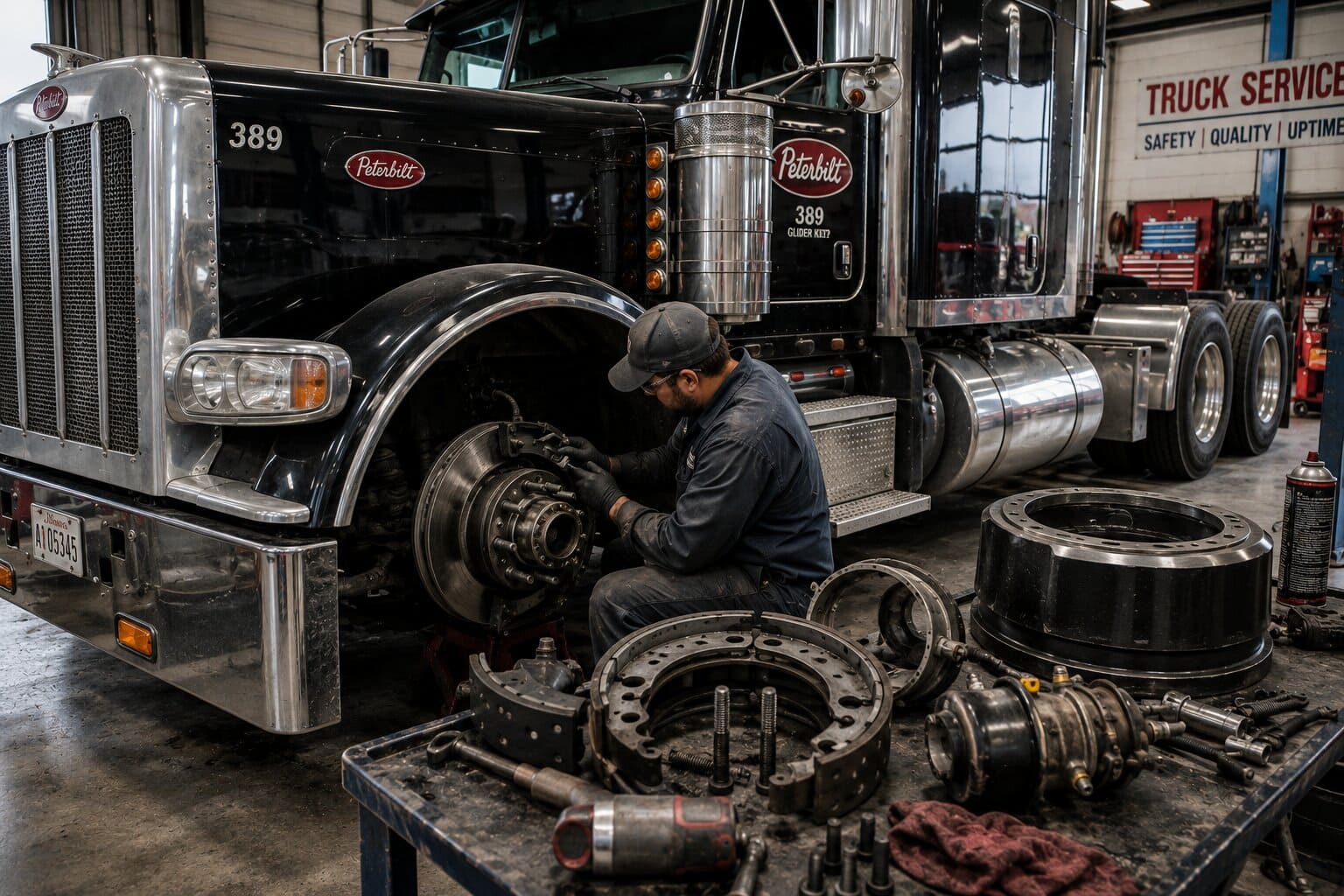
How the Right Heavy Duty Truck Parts Cut Downtime and Save Money
According to the Canadian Trucking Alliance, downtime remains one of the biggest hidden costs facing Canadian fleets.
And the numbers get ugly fast.
Unplanned downtime can cost anywhere from $1,500 to $5,000 per truck per day once you factor in:
Missed deliveries
Tow bills
Driver downtime
Emergency labor
Hotel costs
Lost customer trust
A truck parked in the yard makes exactly zero dollars.
That’s why preventive maintenance matters.
One Ontario fleet running 10 Freightliner Cascadias switched from reactive repairs to a scheduled preventive parts replacement program. Instead of waiting for failures, they replaced filters, brake components, wheel seals, and suspension wear items proactively.
Within one year, roadside breakdowns dropped nearly 40%.
Fuel economy improved too.
Worn injectors, dirty filters, dragging brakes, and misaligned suspension components all increase fuel consumption. Even a small fuel efficiency loss across a fleet becomes expensive quickly when diesel prices spike.
Driver safety matters just as much.
Failing brake drums, worn steering components, and compromised suspension systems create real safety risks on Canadian winter highways.
Especially hauling through Alberta storms or northern Ontario black ice conditions.
Preventive maintenance programs reduce those risks.
And that’s why we’ll be covering the top 10 truck parts you should always keep in stock — a guide coming soon to the Gill Truck Parts blog.
5 Costly Mistakes Fleet Owners Make When Buying Truck Parts
A surprising number of expensive breakdowns start with small purchasing mistakes.
Here are the biggest ones.
1. Buying on Price Alone
The cheapest part is often the most expensive one later.
A low-grade $90 sensor that fails twice can easily create over $1,000 in labor and downtime costs.
2. Ignoring Compatibility and Vehicle Specifications
Truck configurations vary constantly.
Axle ratios, emissions packages, engine generations, and VIN-specific variations matter.
One incorrect part number can create installation problems immediately.
For example, Bendix air brake components for a Freightliner Cascadia may differ based on production year and braking package.
3. Using Unknown Suppliers Without Warranty Support
A supplier without proper return policies becomes a major problem when parts fail.
Reliable suppliers stand behind their inventory.
That protection matters.
4. Waiting for Failure Instead of Preventive Maintenance
Reactive maintenance costs more.
Every time.
Replacing a wheel seal during scheduled service is far cheaper than replacing bearings, brake shoes, and hubs after contamination damage.
5. Not Building a Relationship With a Trusted Supplier
Good suppliers do more than sell parts.
They help fleets make smarter purchasing decisions.
Whether you’re managing a 5-truck fleet or 50, working with a dedicated heavy duty truck parts supplier means you get expert guidance, not just a parts counter.
How to Choose a Reliable Heavy Duty Truck Parts Supplier in Canada
A good truck parts supplier can save your fleet thousands every year.
A bad one can bury you in delays, returns, and repeat failures.
So what should you actually look for?
Inventory Depth
Can they source Freightliner parts and Kenworth parts quickly?
Can they get Volvo truck parts same-day when a truck is down?
Inventory matters because downtime costs money immediately.
Technical Knowledge
Counter staff should understand real-world applications.
They should know when OEM makes sense and when premium aftermarket is perfectly acceptable.
That experience helps fleets avoid expensive mistakes.
Shipping Speed Across Canada
Parts delays kill uptime.
Fast shipping matters whether you operate in Toronto, Calgary, Edmonton, Winnipeg, or along BC freight corridors.
Warranty and Return Policies
Clear warranty support protects your operation.
Especially for high-value diesel truck components.
Fleet Account Support
Volume pricing, commercial accounts, and credit terms make operations smoother for growing fleets.
Gill Truck Parts stocks an extensive range of OEM and premium aftermarket parts for Freightliner, Kenworth, Peterbilt, Volvo, and International trucks — with knowledgeable staff who can help you make the right call every time.
If you need truck parts in Ottawa, working with a supplier that understands fleet operations can make maintenance planning far easier.
Shop Gill Truck Parts Now | Request Fleet Account Support | Get Parts Shipped Fast Across Canada
Conclusion
The OEM versus aftermarket debate isn’t really about which option is universally “better.” It’s about using the right part for the right application.
OEM truck parts usually make the most sense for emissions systems, electronics, engine components, and safety-critical repairs where reliability and compatibility matter most. Premium aftermarket parts, on the other hand, can deliver major savings on wear-and-tear maintenance items without compromising performance.
Smart fleet operators balance both.
At the end of the day, the best heavy duty truck parts are the ones that keep your trucks moving, your drivers safe, and your operation profitable. Choose your source wisely.
Ready to find the right parts for your fleet? Contact Gill Truck Parts today for expert advice and fast shipping across Canada.
FAQ
Q: Are aftermarket truck parts reliable?
A: Premium aftermarket truck parts can be extremely reliable when sourced from reputable manufacturers. Many fleets across Canada use aftermarket brake components, filters, suspension parts, and wheel seals successfully every day. The key is avoiding ultra-cheap no-name components that often fail early and create downtime problems.
Q: Do OEM truck parts last longer than aftermarket?
A: OEM truck parts generally offer more consistent quality control and exact factory compatibility, especially for electronics and engine systems. However, many premium aftermarket parts perform nearly as well in wear-item applications like brake drums, filters, and suspension components while costing significantly less.
Q: Which heavy duty truck parts should always be OEM?
A: Most fleets prefer OEM parts for emissions systems, ECM modules, fuel injectors, turbo components, and electronic sensors. These systems rely heavily on precise calibration and compatibility. Using incorrect aftermarket electronics can trigger fault codes, failed inspections, and expensive diagnostic labor.
Q: Are aftermarket brake parts safe for commercial trucks?
A: Yes , quality aftermarket brake parts can be completely safe when they meet commercial safety standards and are installed correctly. Many premium aftermarket brake drums and shoes are widely used in fleet operations across Canada. Proper supplier selection matters more than whether the box says OEM.
Q: How do I choose quality heavy duty truck parts in Canada?
A: Start with a trusted supplier that understands commercial fleet maintenance. Verify warranty support, fitment accuracy, supplier reputation, and compatibility with your truck’s VIN and specifications. Avoid choosing parts based only on the cheapest price available.
Q: What truck parts wear out fastest on heavy-duty semis?
A: Brake components, filters, wheel seals, suspension bushings, lighting assemblies, hub caps, and air system components typically wear fastest on heavy-duty trucks. Canadian winter conditions, road salt, and rough highway surfaces accelerate wear significantly.
Q: How can I reduce truck downtime through smarter parts purchasing?
A: Preventive maintenance is the biggest factor. Replacing known wear items before failure reduces roadside breakdowns dramatically. Building relationships with knowledgeable truck parts suppliers also helps fleets source correct parts quickly and avoid repeat repairs.
Need Reliable Truck Parts? Get Expert Help Fast
Need dependable heavy duty truck parts in Mississauga or the GTA? Our experts help you quickly find the right components for your truck, reducing downtime and keeping your fleet running safely and efficiently.
Reliable distributor of heavy-duty truck parts in Mississauga, proudly serving the 401 Dixie corridor and the Greater Toronto Area.
Our Partner
Service Area
Contact us
1295 Shawson Dr, Mississauga, ON L4W 1C4

© 2026 Gill Truck Parts. All rights reserved. Powered by Xalovo AI